Rising Health Costs and Medicare Changes Weigh on Older Voters as Election Day Nears, AP Reports
An AARP poll found 83 percent of voters over 50 extremely motivated to vote — and health care affordability, from drug prices to caregiving costs, is at the top of their list.

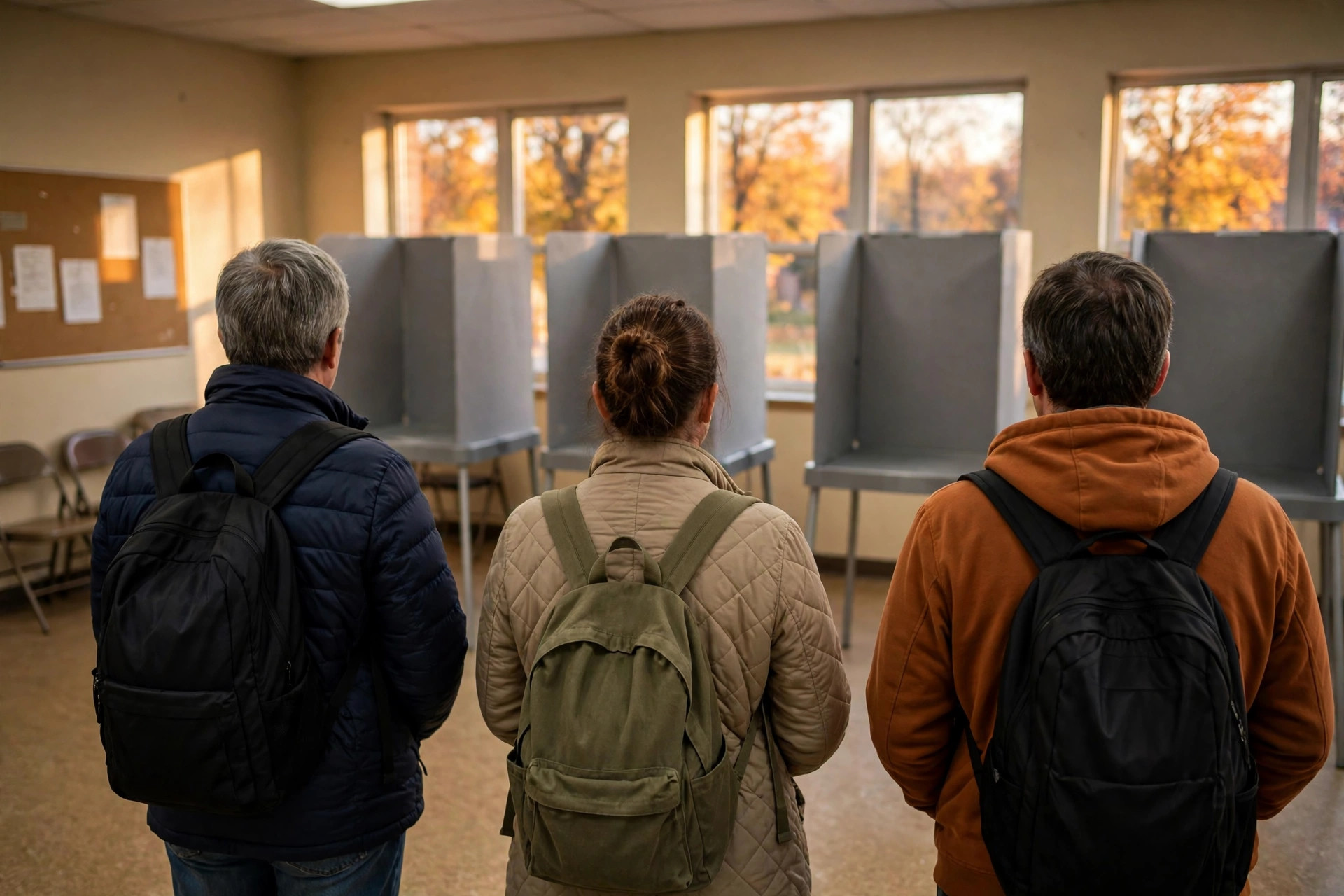
For older Americans, the rising cost of health care is hitting household budgets hard enough to shape Tuesday's midterm elections, the Associated Press reported. Medicare costs, prescription drug prices and long-term care expenses are the pressure points, and older voters are the country's most reliable voting bloc: 83 percent of voters over age 50 said they were extremely motivated to vote in the midterms, according to an AARP poll conducted in early October.

The AP told the story through Barbara Weigand, 83, of North Canton, Ohio, who stayed healthy and saved diligently for years, then faced shoulder surgery and a bladder cancer diagnosis in the same year. She recently withdrew $4,000 from her retirement account to cover medical expenses from her cancer treatment, and told the AP that on her monthly income she would not be able to afford her new medical expenses. She was shopping for new coverage as Medicare's open enrollment period began in October.
The worries stack up in layers. Enrollees choosing 2027 Medicare plans face higher Part D out-of-pocket caps, the end of temporary federal Part D premium subsidies, and new drug price negotiations. About one in five people in a KFF survey said they had cut pills in half or skipped doses in the prior year because of cost. About one-third of Americans over 50 regularly care for an adult relative or friend with a health issue or disability, according to a September 2025 University of Michigan poll on healthy aging.
Social Security sits underneath it all: the annual cost-of-living adjustment will rise 3.6 percent beginning in 2027, while the June trustees' report warns the combined trust funds will be unable to pay full benefits in the coming decade without action. For Essex County's older voters heading to the polls Tuesday, the AP's reporting suggests health care affordability is not an abstract issue — it is the monthly arithmetic of premiums, prescriptions and care.